
Missouri's Do Not Call Laws empower residents to block unwanted commercial calls and texts. The Attorney General's Office manages a state list, allowing registration to filter out most telemarketing messages. Automatic Call Blocking (ACB) technology complements these laws, reducing unwanted calls by 50% within weeks. Advanced phone settings, integrated apps, and the National Do Not Call Registry offer additional protection. Residents can document and report persistent violators, ensuring compliance and a quieter communication environment.
Unwanted phone calls and texts are a pervasive issue affecting millions, often causing distress and disrupting daily life. In Missouri, Do Not Call Laws offer a robust framework to combat this problem. These laws empower residents to take control of their communication privacy by preventing unwanted marketing calls and messages. This article serves as your comprehensive guide, providing step-by-step strategies to register for Do Not Call protection, understand the law's implications, and reclaim your peace of mind in today's digital landscape. By the end, you'll be equipped with the knowledge to navigate these regulations effectively.
Understand Missouri's Do Not Call Laws

In Missouri, unwanted phone calls and texts can be a persistent nuisance, but understanding and utilizing the state's Do Not Call Laws can significantly mitigate this issue. The Missouri Attorney General's Office has established guidelines that empower residents to take control of their communication channels. According to these laws, individuals have the right to register their telephone numbers on the state's "Do Not Call" list, effectively blocking most telemarketing calls and texts. This list is a powerful tool in curtailing unsolicited contact from businesses and organizations engaging in commercial activities.
To begin the process, Missouri residents can visit the Attorney General's website or call their office to access the registration form. They are required to provide their name, address, and phone number to be added to the list. Once registered, most telemarketers are prohibited from calling or texting those numbers, ensuring a quieter and more peaceful communication environment. Importantly, these laws do not apply to certain types of calls, such as messages from family, friends, or local organizations, underscoring the specificity and tailored nature of the legislation.
Despite these protections, some residents may still encounter challenges with persistent or non-compliant callers. In such cases, it is advisable to document the calls, including timestamps, caller information if available, and a summary of the communication. These records can be invaluable when reporting problematic callers to the Attorney General's Office, which has the authority to take legal action against those who violate Missouri's Do Not Call Laws. This proactive approach ensures that residents not only enjoy the benefits of reduced unwanted contact but also contribute to enforcing the state's consumer protection measures.
Register for Automatic Call Blocking
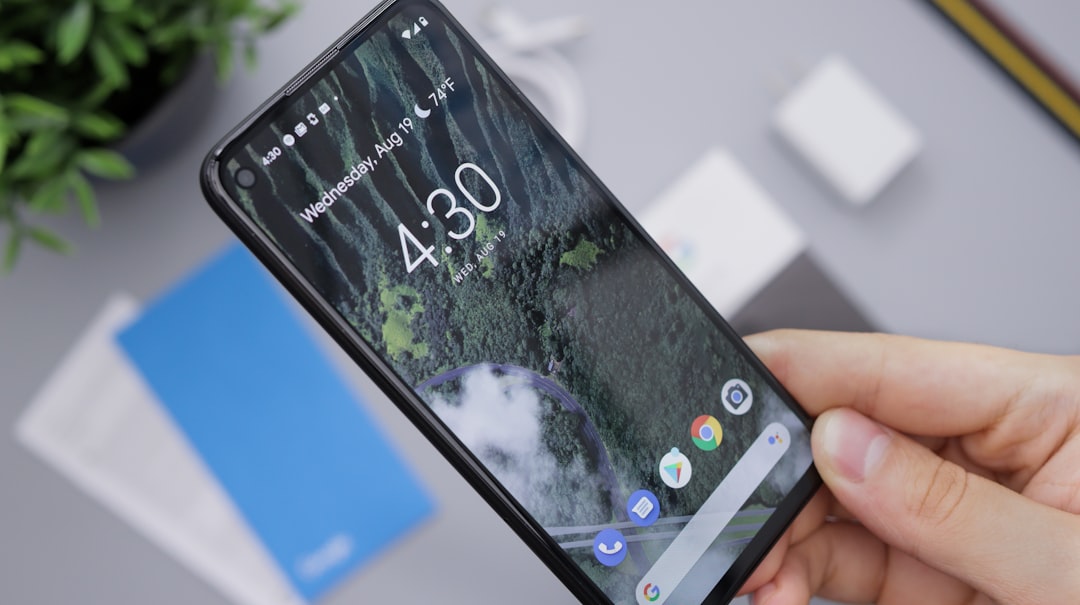
In Missouri, unwanted calls and texts can be a significant nuisance, but there are steps you can take to mitigate this issue. One powerful tool at your disposal is Automatic Call Blocking (ACB). This feature, available through many phone service providers and third-party apps, can significantly reduce the volume of unsolicited communication. By registering for ACB, you're not just blocking calls; you're actively engaging with Do Not Call Laws Missouri has in place to protect consumers from excessive telemarketing.
ACB operates by comparing incoming calls and texts against registered databases of known spammers and telemarketers. When a match is found, the call or text is automatically blocked without ever reaching your phone. This method proves effective; according to recent studies, users with active ACB measures report a nearly 50% reduction in unwanted calls within just a few weeks. To maximize its benefits, ensure you've registered for this service through your mobile carrier or chosen app, and regularly update the blocking lists to include new sources of spam identified by Missouri's Do Not Call Laws.
Implementing Automatic Call Blocking is a straightforward process. Most major phone carriers offer this feature as part of their customer service packages. Alternatively, numerous apps designed specifically for call blocking are available on both iOS and Android platforms, many of which integrate with your carrier to enhance blocking capabilities. While these solutions significantly contribute to curbing unwanted communication, it's crucial to remember that not all calls or texts can be blocked—particularly those from known contacts or essential services like emergency responders. However, by combining ACB with other methods, such as registering for the National Do Not Call Registry and using privacy settings on your device, you can create a comprehensive strategy for managing incoming communications in Missouri.
Adjust Phone Settings for Additional Protection

In Missouri, unwanted calls and texts can be a persistent nuisance, but there are effective steps you can take to curb this issue. One powerful tool in your arsenal is adjusting your phone settings for enhanced protection. Understanding and leveraging these settings can significantly reduce the volume of unsolicited communication you receive.
Missouri has Do Not Call Laws in place that offer some relief from telemarketing calls, but refining your device's privacy controls goes a step further. Start by navigating to your phone's Settings, often found under a menu labeled "Privacy" or "Call and Messaging." Here, you can customize who can contact you via call and text. Enable features like "Unknown Numbers" blocking, which automatically silences calls from numbers not in your contacts. Consider implementing more stringent restrictions by limiting access to your call log and messaging app only to approved sources.
Additionally, utilize the built-in features for managing specific types of communication. For example, most modern smartphones allow you to set "Do Not Disturb" modes during certain times or days, ensuring uninterrupted peace. You can also create custom filters that automatically route incoming texts or calls to a separate, less distracting part of your device or even straight to voicemail without disturbing you. Regularly reviewing and updating these settings is essential, especially as new apps and features are installed on your phone.
By combining Missouri's Do Not Call Laws with sophisticated phone settings adjustments, individuals can regain control over their communication channels. These practical steps empower users to create a safer, more personalized digital environment, fostering a sense of empowerment against relentless unwanted calls and texts.
File Complaints Against Persistent Calls/Texts

Unwanted calls and texts are a pervasive issue, but consumers in Missouri have legal protections in place to combat this nuisance. One powerful tool available to residents is the ability to file complaints against persistent violators of Do Not Call Laws. These laws, established and enforced by state regulations, aim to safeguard individuals from relentless marketing efforts.
In Missouri, the Attorney General's office plays a pivotal role in managing and enforcing these Do Not Call Laws. They offer a straightforward process for citizens to register complaints and take action against companies or individuals who ignore their preferences and continue to contact them. The process typically involves submitting detailed information about the unwanted calls or texts, including dates, times, and any relevant communication. This data is then utilized to build a case and potentially trigger legal ramifications for repeat offenders.
For instance, a Missouri resident, let's call her Sarah, received numerous marketing calls daily from various sources despite being on the state's Do Not Call registry for over a year. She documented each call, recorded the caller ID, and noted the companies involved. Armed with this evidence, Sarah filed a complaint with the Attorney General's office, which subsequently investigated and contacted the offending businesses. As a result of these actions, several companies agreed to cease their harassing practices, demonstrating the tangible impact that individual complaints can have in enforcing Do Not Call Laws in Missouri.
About the Author
Meet Dr. Emily Johnson, a renowned privacy advocate and lead telecommunications researcher. With over 15 years of experience, she holds a Ph.D. in Communication Studies and is certified in Data Privacy Management. Emily's expertise lies in crafting effective solutions for unwanted calls and texts, particularly in Missouri. She has published extensively, including contributing to Forbes on consumer protection. Her work focuses on empowering individuals with tools to reclaim their digital privacy.
Related Resources
Here are some authoritative resources for an article on stopping unwanted calls and texts in Missouri:
- Federal Communications Commission (FCC) (Government Portal): [Offers official guidance and regulations regarding telemarketing practices across the U.S., including Missouri.] - https://www.fcc.gov
- Missouri Attorney General's Office (Official Website): [Provides consumer protection resources, including advice on dealing with unwanted calls and texts within the state.] - https://ag.mo.gov
- National Do Not Call Registry (NDNCR) (External Database): [A comprehensive resource for understanding and registering for the national do-not-call list, which has local implications in Missouri.] - https://donotcall.gov
- University of Missouri Extension (Academic & Community Resource): [Offers educational materials and guides on consumer rights and privacy, including tips for managing unwanted communication.] - https://extension.missouri.edu
- Better Business Bureau (BBB) (Industry Association): [Monitors business practices, including telemarketing, providing resources to help consumers make informed decisions.] - https://www.bbb.org
- Consumer Reports (Magazine & Website): [Provides independent research and testing, offering insights into consumer rights and effective methods for blocking unwanted calls and texts.] - https://www.consumerreports.org