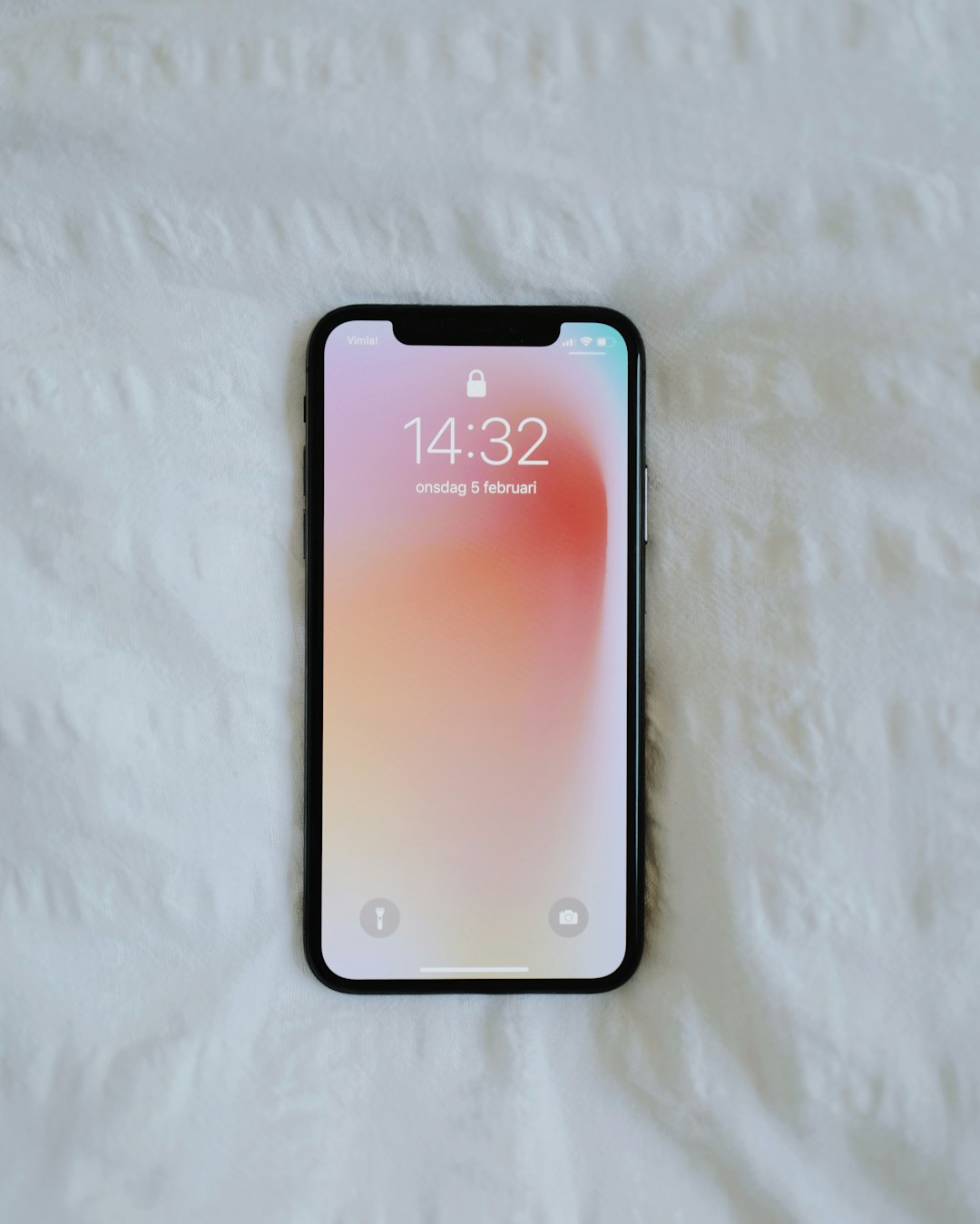
Do-Not-Text Laws in Missouri: A Comprehensive Analysis
Introduction
In the modern age, technology has permeated every facet of our lives, transforming how we communicate, work, and interact with each other. Among these technological advancements is text messaging, a ubiquitous form of communication that has revolutionized personal and professional interactions alike. However, with this convenience comes the need for regulation to ensure safety and privacy. Missouri's "Do-Not-Text" laws represent a significant step in this regulatory landscape, aiming to protect individuals from unwanted text messages, particularly in the context of debt collection and other sensitive areas. This article will delve into the intricacies of these laws, their implications, and what they mean for consumers and businesses alike.
Understanding Do-Not-Text Laws in Missouri
Missouri's "Do-Not-Text" laws are a set of regulations that allow individuals to opt out of receiving text messages related to debt collection, among other services. These laws define clear guidelines for businesses on how to obtain consent before sending text messages and provide mechanisms for consumers to revoke their consent. The core components of these laws include:
- Consent requirements: Businesses must secure explicit permission from individuals before sending them text messages.
- Opt-out procedures: Individuals have the right to stop receiving texts at any time, with a straightforward process to do so.
- Penalties for non-compliance: There are legal repercussions for companies that violate these regulations, including fines and lawsuits.
These laws are part of a broader consumer protection framework in Missouri, reflecting the state's commitment to safeguarding its citizens from invasive and harassing communication practices.
Global Impact and Trends
The concept of "Do-Not-Text" laws is not unique to Missouri; it is part of a global movement towards protecting personal space in the digital realm. Countries across the world are grappling with the implications of mass text messaging, leading to the development of similar regulations. The trends shaping this landscape include:
- Increased awareness of privacy rights
- Rising concerns over data protection and security
- The proliferation of mobile devices and their integration into daily life
- Advancements in communication technologies that enable mass messaging capabilities
These trends underscore the importance of "Do-Not-Text" laws as part of a comprehensive approach to privacy and consumer rights.
Economic Considerations
The economic impact of "Do-Not-Text" laws is multifaceted. On one hand, these regulations impose compliance costs on businesses. On the other hand, they foster trust and credibility, potentially leading to increased customer loyalty and long-term business growth. The market dynamics influenced by these laws include:
- The cost of implementing opt-in/opt-out mechanisms
- The potential for increased business efficiency through targeted communication
- The economic benefits of consumer trust and brand reputation
Furthermore, "Do-Not-Text" laws can influence investment patterns within the tech sector, steering them towards more ethical and consumer-centric solutions.
Technological Advancements
Technological advancements have made mass text messaging both possible and prevalent. However, with these advancements come the challenges of ensuring responsible use. Innovations in technology that impact "Do-Not-Text" laws include:
- Automated opt-in/opt-out systems that respect user preferences
- Artificial intelligence (AI) for personalized communication while adhering to regulations
- Blockchain technology for secure and verifiable consent mechanisms
The future potential of these technologies includes even more sophisticated tools for managing text message communications responsibly.
Policy and Regulation
The legislative framework governing "Do-Not-Text" laws in Missouri is a complex interplay of state and federal regulations. Key policies include:
- The Telephone Consumer Protection Act (TCPA) at the federal level, which provides a foundation for state laws like Missouri's.
- State-specific regulations that may offer additional protections or clarify provisions of the TCPA.
- Industry guidelines and best practices for ethical text messaging practices.
These policies play a crucial role in shaping the development and enforcement of "Do-Not-Text" laws, ensuring they remain effective and relevant in a changing technological landscape.
Challenges and Criticisms
Despite their well-intentioned nature, "Do-Not-Text" laws face several challenges and criticisms. These include:
- Difficulty in enforcement due to the digital nature of text messages
- Concerns over false opt-ins and consumer fatigue with opt-out requests
- The need for clearer guidelines on what constitutes consent
- Debates over the balance between consumer privacy and legitimate business communication
To address these issues, stakeholders can work together to develop more robust enforcement mechanisms, improve education about consumer rights, and refine the regulations to ensure they are both effective and fair.
Case Studies
Several case studies illustrate the successful implementation of "Do-Not-Text" laws. For instance:
- A debt collection agency that adapted its practices to comply with Missouri's laws, leading to increased trust from consumers.
- A tech startup that developed a new opt-in/opt-out platform, which became a model for other businesses to follow.
- Consumer advocacy groups that successfully lobbied for stronger protections within the "Do-Not-Text" framework.
These case studies provide valuable insights into how "Do-Not-Text" laws can be effectively applied in various contexts.
Conclusion
Missouri's "Do-Not-Text" laws are a testament to the state's dedication to protecting consumer rights and privacy in the digital age. They reflect a global trend towards more stringent regulations on mass communication and represent a commitment to ethical business practices. The economic, technological, and policy considerations surrounding these laws underscore their importance and the need for ongoing dialogue between stakeholders. As the digital landscape continues to evolve, "Do-Not-Text" laws will undoubtedly adapt, ensuring that consumers remain in control of their personal communication space while businesses find ways to respect and uphold those boundaries.
October 21, 2025
Do Not Text Laws Missouri Expert
Missouri's "No Call" laws protect residents from unwanted telemarketing by banning calls to numbers on the Do Not Call list. Do Not Call lawyers guide residents on list registration, call refusal rights, and legal support against violations, reducing scam exposure. Missourians should.......
Read more →
October 19, 2025
Do Not Text Laws Missouri Expert
The Missouri Spam Call law firm protects consumers from harassing phone calls by enforcing telecom regulations. While the state's no-call list offers partial protection, spammers can bypass it using automated systems. Specialized law firms are crucial for navigating these complexities, ensuring.......
Read more →
October 15, 2025
Do Not Text Laws Missouri Expert
In Missouri, certain entities are exempt from strict Do Not Call Laws. Political candidates, non-profit organizations for charitable calls, and businesses with prior consent can contact residents without restrictions. Emergency services are also exempt to ensure critical information is delivered pro.......
Read more →
October 14, 2025
Do Not Text Laws Missouri Expert
In Missouri, certain entities like legal professionals, political campaigns, and non-profits are exempt from do-not-call list regulations. Businesses can make collection, transaction, or relationship-related calls. Unwanted calls can be handled by Do Not Call Lawyers Missouri, who specialize in cons.......
Read more →
September 19, 2025
Do Not Text Laws Missouri Expert
Missouri residents can protect themselves from unwanted telemarketing calls by registering on the state's Do Not Call list. A Do Not Call Attorney Missouri can help assert rights and take legal action against persistent violators. Keeping records and filing complaints with the Attorney General&.......
Read more →
September 16, 2025
Do Not Text Laws Missouri Expert
Missouri's Do Not Call Law empowers residents to block commercial telemarketing calls by registering their numbers. Businesses must comply with disclosure rules, including identifying themselves, stating call purposes, and offering opt-out methods. Non-profits and certain industries are exempt.......
Read more →
September 14, 2025
Do Not Text Laws Missouri Expert
In Missouri, political candidates, nonprofits, and businesses with prior relationships are exempt from strict Do Not Call regulations. Telemarketers following National and state guidelines are also exempt. Nonprofits and campaigns can solicit without prior consent but must offer opt-out options and.......
Read more →
September 12, 2025
Do Not Text Laws Missouri Expert
Missouri's strict Do Not Call laws protect residents from unwanted telemarketing. Violations incur heavy fines up to $10,000 per call. A qualified Do Not Call Attorney Missouri ensures compliance, prevents penalties, and fosters positive consumer relationships by guiding businesses through regu.......
Read more →
September 10, 2025
Do Not Text Laws Missouri Expert
Missouri's strict Do Not Call laws protect residents from intrusive telemarketing by requiring businesses to obtain explicit consent. Advanced technologies like AI and call tracking software enhance law enforcement, while automated systems block unwanted calls. A lawyer for Do Not Call Laws Mis.......
Read more →
September 8, 2025
Do Not Text Laws Missouri Expert
Missouri's strict Do Not Call laws protect residents from unwanted telemarketing. The Attorney General's Office enforces these rules, investigating violations and taking legal action against non-compliant businesses. A specialized lawyer for Do Not Call Laws Missouri navigates these regula.......
Read more →